




%201%20(1).svg)





.svg)
Synthetic mRNA has reached its limits
For 40 years, mRNA has been made in a synthetic, cell-free process called in vitro transcription (IVT).
It has never been scaled to the quality or quantity required for approved therapeutics.


approved mRNA therapeutics
-
1985
First synthetic mRNA is made
-
1990
mRNA works in animals
-
2005
Non-natural modifications decreased immunogenicity of synthetic mRNA
-
First clinical trial with mRNA
-
2020
First mRNA medicine is approved: COVID-19 vaccine
-
NOW
approved mRNA therapeutics












Synthetic mRNA has fundamental limitations
Low quality Synthetic mRNA contains double-stranded RNA impurities that drive unwanted immune response.
Constrains the therapeutic window and limits repeat dosing.
Clinical-grade synthetic mRNA production depends on a handful of concentrated global suppliers of enzymes, nucleotides, and plasmid DNA.


Exquisitely simple and better, by its nature
Our VECTOR™ platform integrates mRNA design and cell engineering to produce high-quality mRNA the way nature does
Cell-made mRNA is pure, immune-silent, naturally modified, and well-suited for therapeutic development.
VECTOR™ is a full-stack platform supporting linear, circular, and self-amplifying RNA modalities.


DESIGN
Our AI-driven platform can generate and screen hundreds of mRNA sequence candidates in parallel, building a massive proprietary database that trains our models. Each design cycle produces better mRNA sequences, all of which generate novel composition-of-matter IP.

ENGINEERING
We engineer proprietary producer cell lines for each therapeutic mRNA, optimized for yield, quality, and consistency.

EXTRACTION
Our patented PromPT™ technology (Programmable mRNA Protein Transporter) selectively captures target mRNA inside the cell, packaging and protecting it from contamination before extraction. Double-stranded RNA never makes it through.

mRNA
The result is pure, non-immunogenic, naturally modified mRNA that’s better suited for clinical development than legacy synthetic mRNA.

Co-developing mRNA medicines
We bring the unique AI-driven mRNA data platform, IP, and manufacturing capabilities that take mRNA all the way from design to clinical-grade production.
We work with our partners to co-develop mRNA medicines that aren’t possible without our platform.
Explore Sensible locations

Securing the global mRNA supply chain
mRNA will be the most important molecule of the 21st century. We’re making it safe and effective enough for therapeutics, and ensuring democracies have access to the next generation of mRNA medicines.
To date, Sensible has secured up to $20 million in non-dilutive funding from NATO, the European Union, and the Slovak and German governments, with equity funding by In-Q-Tel.
Our facilities span the United Kingdom, United States, and Slovakia.
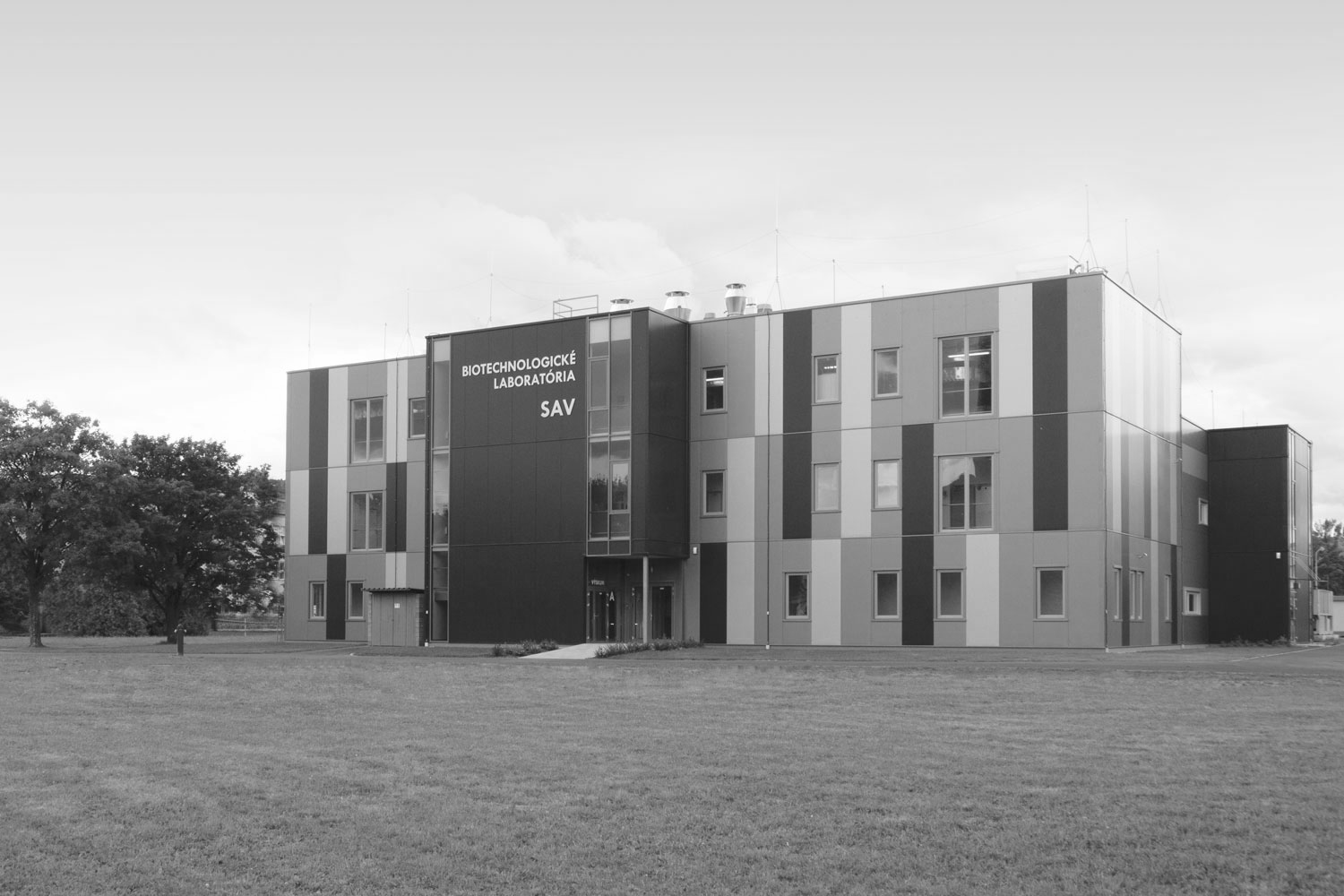
Šarišské Michalany is focused on scale-up and cGMP manufacturing of cell-produced mRNA. The facility is designed to take processes developed across our R&D sites and translate them into larger-scale, controlled and quality-compliant production. It provides the manufacturing infrastructure needed to support clinical and commercial development as Sensible's platform progresses toward increasingly demanding applications and volumes.

Our Bratislava laboratories focus on translating new mRNA designs into robust, reproducible production processes. Work spans cell-line and cultivation optimisation, upstream process development, downstream purification, analytical development and optimisation of the broader production workflow. The site bridges early-stage R&D with scalable manufacturing, helping turn promising constructs into processes that can be reliably transferred toward larger-scale production.
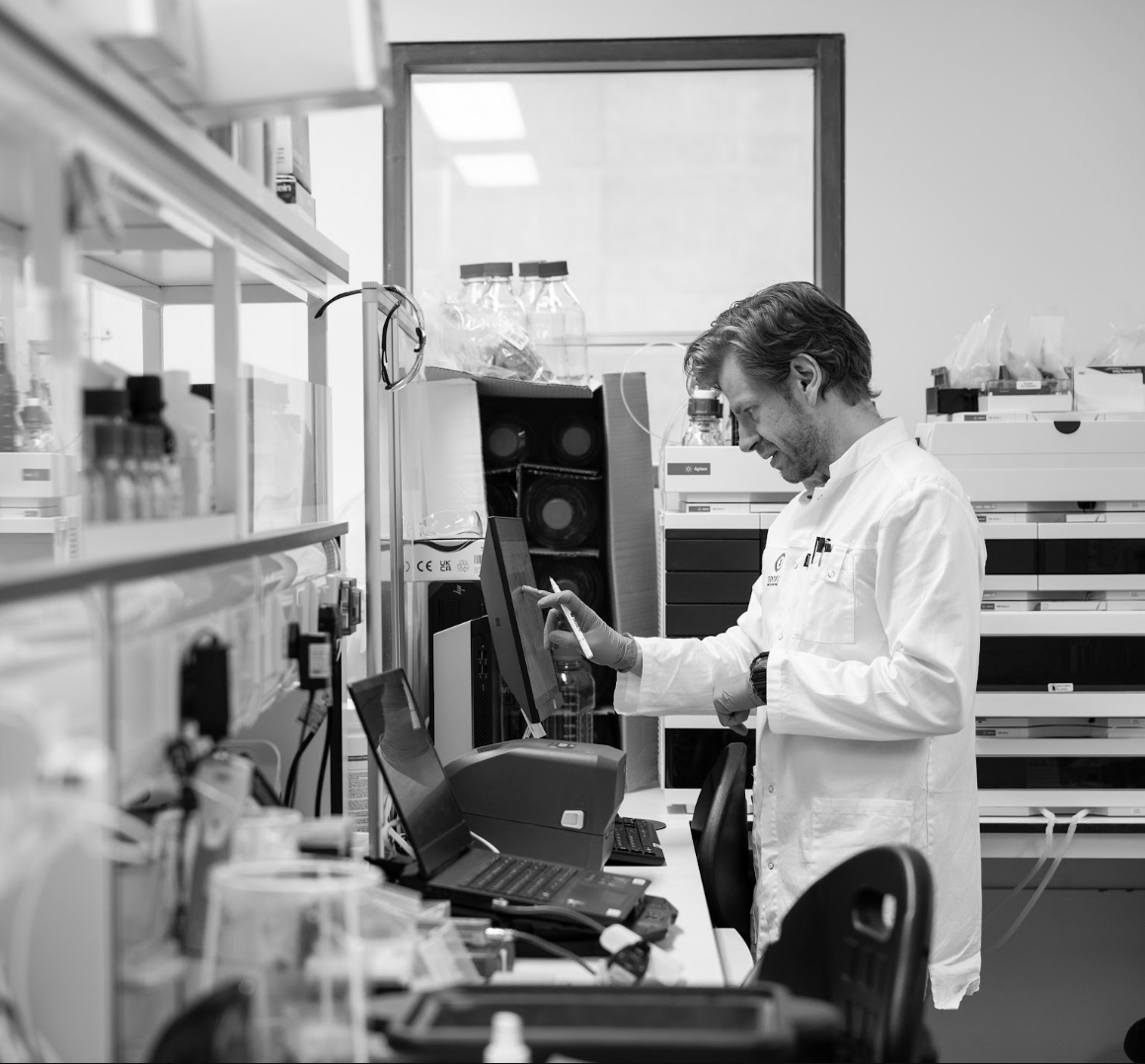
Our Oxford site is focused on frontier research and technology development for our cell-based mRNA platform. The team works on new sequence designs, sequence and process optimisation, high-throughput screening, data-driven and AI-assisted development, and the exploration of new attributes of cell-produced mRNA. Oxford also serves as a key hub for scientific partnerships, business development and customer-facing technical work.
Leadership

Miroslav Gašpárek
Co-Founder and CEO
Miro is a biotechnology entrepreneur and biomedical engineer working at the intersection of synthetic biology, RNA therapeutics and biomanufacturing. He co-founded Sensible Biotechnologies in 2021 and has led the company from its inception through multiple financing rounds, international expansion and the development of strategic partnerships across the global biotechnology ecosystem.
Miro earned a First Class MEng in Biomedical Engineering from Imperial College London and is completing a DPhil in Engineering Science at the University of Oxford, where his research focuses on computational and mathematical modelling of complex synthetic biological systems. He has conducted research at Imperial College London, Caltech and Stanford University and was elected a Pontigny Scholar and Simonian Scholar at St Edmund Hall, Oxford. He also received Imperial College London’s Emerging Alumni Leader Award in 2024. Beyond his operating role, Miro has contributed to biosecurity, health and innovation policy, including advising the Ministry of Health of the Slovak Republic and a member of the Executive Board of the World Health Organization.

Marian Kupčulák, DPhil
Co-Founder and Chief Science Officer
Marian is a molecular biologist, biochemist, and biotechnology entrepreneur with more than a decade of hands-on experience in genetic engineering, cellular engineering, and nucleic acid research. He co-founded Sensible Biotechnologies in 2021 and leads the company's scientific strategy, platform technology development, process automation, and research roadmap, driving key innovations in cell-based mRNA biomanufacturing and related R&D.
Marian earned his DPhil in Biochemistry from the University of Oxford, where his research focused on DNA repair and genomic stability in human cells. Prior to his Oxford studies and co-founding Sensible Biotechnologies, he conducted biological research across multiple academic institutions in Europe, including Comenius University in Bratislava, the Vienna BioCenter, and the University of Gothenburg. There, he worked with various prokaryotic, eukaryotic, and animal models for both basic biological research and the screening and evaluation of therapeutic candidates. Marian's work lies at the forefront of scalable synthetic biology technologies, aiming to understand and overcome fundamental bottlenecks in the production of complex RNA therapeutics.
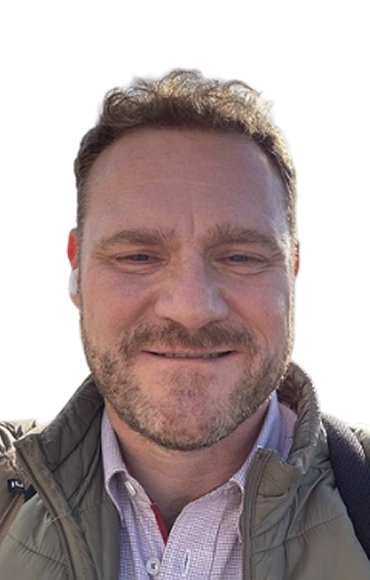
Alain Pralong, PhD
Chief Technology Officer
Alain is a senior life science executive with over 25 years of experience in biopharmaceutical development, GMP manufacturing, and quality assurance. He began his career after earning a PhD in apoptosis research from the University of Berne, with early roles at Schering-Plough, Roche, where he led the tech transfer of the Avastin manufacturing process from Genentech to Roche in Basel, and Merck-Serono, where he oversaw the commercial manufacturing of various hormones. Subsequently, Alain joined Crucell, where he oversaw process and analytical development, including clinical manufacturing of adenoviral vaccines. Following Crucell’s $2.4B acquisition by Johnson & Johnson, Alain joined GSK as Vice President of New Product Introduction & Technical Life Cycle Management, where he oversaw the late-stage development and commercialization readiness of Mosquirix® and Shingrix®. Since 2015, he has led manufacturing and CMC functions in the cell and gene therapy space at Cell Medica, Agentus Therapeutics, and Gamida Cell. Most recently, he served as CTO of Unicyte and supported the WHO mRNA Technology Transfer Programme through site assessments in low- and middle-income countries.

Elena Pamětická
Vice President of Finance
Elena is a graduate of Comenius University with an MA in Business Administration and is a practicing Fellow of the ACCA. She began her professional career at EY as an auditor before joining Fiserv as the CEESEE Regional Finance Lead, where she also drove major strategic initiatives, including the establishment of a new SSC and BPO transitions for EMEA operations, and the implementation of a full Oracle ERP suite. She also led a number of cross‑border M&A projects for Fiserv and Nexi. Elena later moved to BASF as Regional CFO, where she executed multiple corporate restructuring initiatives, oversaw complex tax audits, and played a key role in the development and valuation of a world‑scale industrial enzyme production facility. Elena has 15+ years of experience in accounting, tax, FP&A, M&A and corporate restructuring, ERP implementations, and corporate operations.
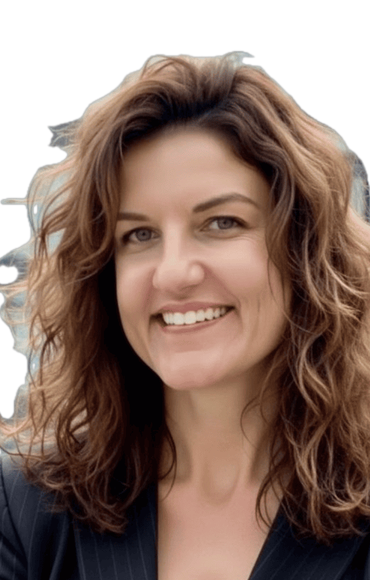
Katie Hewitt
Vice President of Business Development
Katie is a seasoned business development executive with over 25 years of experience at Eli Lilly and Company. Since joining Lilly in 2001, she has held numerous leadership roles on U.S. and global teams across finance, business development, strategy, and commercialization. Her achievements include leading cross-functional deal teams for pivotal programs, such as the development and launch of Lilly’s first-in-class monoclonal antibody, bamlanivimab, in response to COVID-19 in 2020. As Global Head of Business Development for Lilly Catalyze, Katie drove initiatives in transactions, platform technologies, and digital health. She has also served on the boards of multiple biotech startups, offering strategic guidance and expertise in life science transactions, including acquisitions by major biotechnology companies. Katie holds a bachelor’s degree in economics and sociology from DePauw University and certifications from Harvard Business School.

Mária Nosáľová Grežďová
Head of People
Maria is a graduate of Comenius University in Bratislava, Faculty of Management, with 20 years of HR leadership experience. She built the HR function for a fast-growing consulting firm and later served as HR Country Manager for AT&T in Slovakia and across Central and Eastern Europe. Her responsibilities spanned HR strategy, compliance, employee services, and support for international management, including M&A activities. She also launched HR operations for a new public sector shared service center. Before joining Sensible, Maria led the Payroll Outsourcing division at a tax and accounting firm, supporting clients with diverse needs.

Katarína Doboš Chovancová, PhD
Head of Grants and Procurement
Katarina leads grants and procurement at Sensible Biotechnologies, overseeing non-dilutive financing, public funding programmes and procurement across the company’s research, manufacturing and infrastructure activities. She brings extensive experience in public administration, European funding instruments and the implementation of complex, publicly financed programmes. Before joining Sensible, Katarina managed a medical center in the private sector. Previously, she served as Director of the Healthcare Department at the National Implementation and Coordination Authority (NIKA) within the Office of the Government of the Slovak Republic, the central body responsible for coordinating implementation of Slovakia’s Recovery and Resilience Plan. Katarina holds a Ph.D. from Masaryk University in Brno, where her academic work focused on political institutions and parliamentary governance.
Board Members
Miroslav Gašpárek
Co-Founder and CEO
Miro is a biotechnology entrepreneur and biomedical engineer working at the intersection of synthetic biology, RNA therapeutics and biomanufacturing. He co-founded Sensible Biotechnologies in 2021 and has led the company from its inception through multiple financing rounds, international expansion and the development of strategic partnerships across the global biotechnology ecosystem.
Miro earned a First Class MEng in Biomedical Engineering from Imperial College London and is completing a DPhil in Engineering Science at the University of Oxford, where his research focuses on computational and mathematical modelling of complex synthetic biological systems. He has conducted research at Imperial College London, Caltech and Stanford University and was elected a Pontigny Scholar and Simonian Scholar at St Edmund Hall, Oxford. He also received Imperial College London’s Emerging Alumni Leader Award in 2024. Beyond his operating role, Miro has contributed to biosecurity, health and innovation policy, including advising the Ministry of Health of the Slovak Republic and a member of the Executive Board of the World Health Organization.
Marian Kupčulák, DPhil
Co-Founder and Chief Science Officer
Marian is a molecular biologist, biochemist, and biotechnology entrepreneur with more than a decade of hands-on experience in genetic engineering, cellular engineering, and nucleic acid research. He co-founded Sensible Biotechnologies in 2021 and leads the company's scientific strategy, platform technology development, process automation, and research roadmap, driving key innovations in cell-based mRNA biomanufacturing and related R&D.
Marian earned his DPhil in Biochemistry from the University of Oxford, where his research focused on DNA repair and genomic stability in human cells. Prior to his Oxford studies and co-founding Sensible Biotechnologies, he conducted biological research across multiple academic institutions in Europe, including Comenius University in Bratislava, the Vienna BioCenter, and the University of Gothenburg. There, he worked with various prokaryotic, eukaryotic, and animal models for both basic biological research and the screening and evaluation of therapeutic candidates. Marian's work lies at the forefront of scalable synthetic biology technologies, aiming to understand and overcome fundamental bottlenecks in the production of complex RNA therapeutics.

Vishal Gulati, MD, FMedSci
Founder and Managing Partner, Recode Ventures
Vishal Gulati is the Founder and Managing Partner of Recode Ventures and a physician-scientist and venture capitalist with nearly three decades of experience across medicine, biomedical research and healthcare investing. He has backed more than 40 companies developing new therapeutics and healthcare technologies and has served on the boards of numerous public and private companies. Recode's investments under his leadership include Sensible Biotechnologies, Nanograb, Probably Genetic, LabGenius and Waypoint Bio.
Previously, Vishal was investor at DFJ Esprit, Atlas Venture and Oxford Science Enterprises. He trained as a physician in India and subsequently undertook postgraduate training and research at the University of Oxford and Imperial College London. He is a Fellow of the Academy of Medical Sciences, a Senior Clinical Fellow at the University of Cambridge and a Rhodes Scholar.
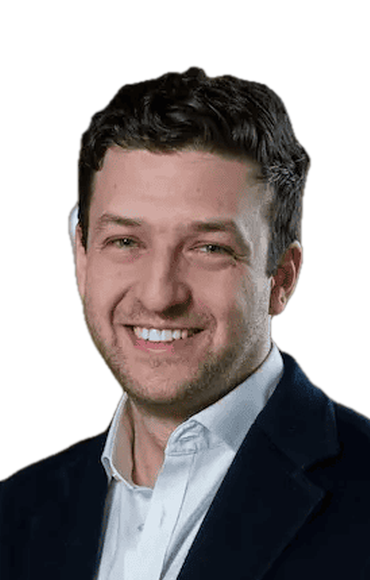
Joel Schoppig
Partner, Oxford Science Enterprises
Joel Schoppig is a HealthTech investor and operator, and a Partner at Oxford Science Enterprises (OSE). He joined OSE from Pitango, a $3bn+ AuM fund where he was Principal focused on early-stage HealthTech investments. Previously, Joel was part of the founding team at Healthy.io and served as VP of Strategy and Business Development, helping build the company from concept stage to global commercial scale.
Earlier in his career, Joel worked in public health as an advisor to the Nigerian Ministry of Health on healthcare financing and held roles in management consulting and finance in London. He holds graduate degrees from the London School of Economics and Universitat Pompeu Fabra, and an undergraduate degree from the University of Zurich.
Strategic Advisory Board

Jan Skvarka, PhD, MBA
Jan Skvarka is an experienced biotechnology executive and investor with a track record of building and scaling life sciences companies. He is Chairman of DEM Biopharma and serves on the Boards of Directors of Zentalis Pharmaceuticals (NASDAQ: ZNTL) and Monte Rosa Therapeutics (NASDAQ: GLUE). Previously, Jan was CEO of Trillium Therapeutics (NASDAQ: TRIL), where he led a major turnaround of the clinical-stage immuno-oncology company, culminating in its $2.3 billion acquisition by Pfizer.
Earlier in his career, Jan served as CEO of Tal Medical, was a Partner in Bain & Company's life sciences practice in Boston, and worked at PwC Corporate Finance in London and Vienna. He holds a PhD in Economics from the University of Economics in Slovakia and an MBA from Harvard Business School.
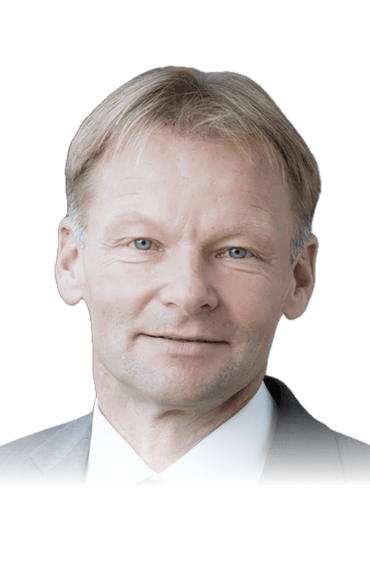
Vazil Hudak, MBA
Vazil Hudak is an experienced European finance, investment and public policy leader with a career spanning government, international financial institutions and the private sector. He previously served as Vice President of the European Investment Bank, where he oversaw operations across Central Europe, the Eastern Partnership and Central Asia, as well as advisory services and financing for cohesion and transport investments. He has also served as Slovakia's Minister of Economy and Deputy Minister of Finance.
Vazil has held senior roles at J.P. Morgan and Citigroup and currently serves across a number of corporate, investment and advisory boards. He is CEO and Chairman of Aegle Consulting, Chairman of the Supervisory Board of Czech Railways, and a member of several investment and industrial boards. Vazil studied at the Moscow State Institute of International Relations (MGIMO) and Law at Charles University in Prague. Vazil also earned an MBA at Harvard Business School.
Scientific Advisory Board

Andrew Geall, PhD
Andrew Geall is a pioneer in mRNA vaccines, nucleic acid delivery and lipid nanoparticle technologies with more than 20 years of experience developing next-generation medicines. He is Co-Founder and Chief Development Officer of Replicate Bioscience and Chairman of the Alliance for mRNA Medicines. Previously, he served as Chief Scientific Officer of Precision NanoSystems and was Vice President of Formulations, Analytics and Chemistry at Avidity Biosciences.
At Novartis, Andrew led work on mRNA vaccines and served as Principal Investigator on a DARPA programme developing self-amplifying mRNA vaccines. He holds more than 40 patents spanning RNA delivery and related technologies, and he holds a Ph.D. in non-viral gene delivery from the University of Bath.
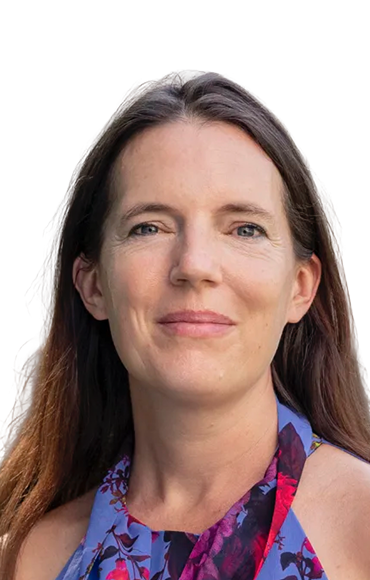
Professor Dame Molly Stevens, PhD
Professor Dame Molly Stevens is the John Black Professor of BioNanoscience at the University of Oxford and Deputy Director of the Kavli Institute for Nanoscience Discovery. She is an internationally recognised leader in biomaterials, biosensing, regenerative medicine and advanced therapeutics, with a highly interdisciplinary research programme spanning fundamental science and translational biotechnology.
Her research has generated more than 400 publications, numerous patents and four spin-out companies. She is a Fellow of the Royal Society and Royal Academy of Engineering and has received more than 40 scientific awards for her contributions to biomaterials, nanoscience and regenerative medicine.

Michelle Lynn Hall, PhD
Michelle Lynn Hall is a biotechnology executive, scientist and investor with deep expertise in mRNA therapeutics, lipid nanoparticles, gene editing, genetic medicines and computational drug design. She is a General Partner at Entrée BioVentures, where she focuses on company creation and early-stage biotechnology investing at the intersection of biology, AI and next-generation medicines.
Previously, Michelle was Associate Vice President of Genetic Medicines at Eli Lilly, where she established and scaled the company’s Boston-based Genetic Medicines organisation, and earlier led the Molecular Engineering and Modeling team at Moderna. Her work has combined computation, automation and experimental science to advance RNA therapeutics, delivery technologies and genetic medicine platforms.
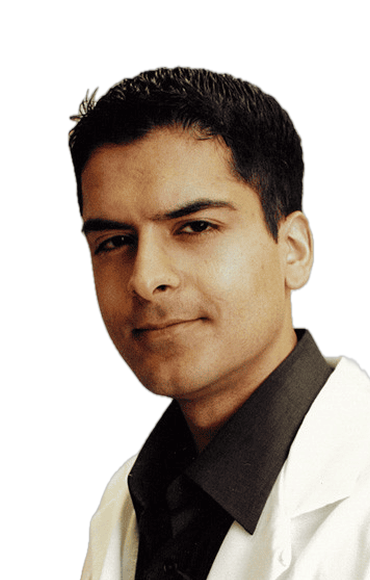
Professor Samie Jaffrey, MD, PhD
Samie Jaffrey is the Greenberg-Starr Professor of Pharmacology at Weill Cornell Medicine and a leading RNA and chemical biologist. His laboratory studies the mechanisms that regulate RNA stability, translation and gene expression, with particular expertise in RNA modifications, epitranscriptomics, RNA structure, RNA therapeutics and circular RNA.
His laboratory has made seminal contributions to RNA biology, including early transcriptome-wide mapping of m6A and the development of RNA technologies such as Spinach, Broccoli, Corn and Squash. His group also developed the Tornado RNA circularisation system for generating highly stable circular RNAs in cells. Samie is also a biotechnology entrepreneur and co-founded Gotham Therapeutics.
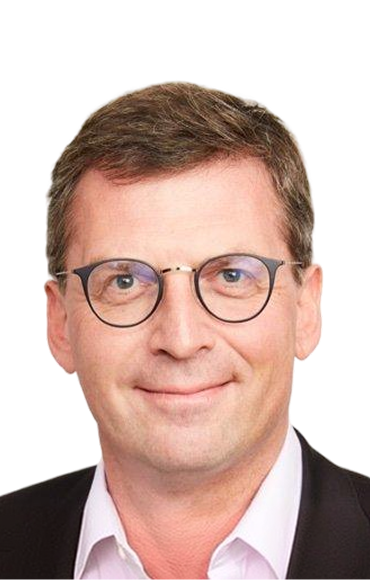
Lorenz Mayr, PhD
Lorenz Mayr is an experienced biopharmaceutical executive and technology leader with more than 30 years of experience spanning drug discovery, platform technologies and therapeutic innovation. He served as Chief Technology Officer of GE Healthcare Life Sciences, and held senior positions at Novartis, Bayer, Syncona and Vector BioPharma. Lorenz currently serves on multiple biotechnology boards and scientific advisory boards.
Lorenz was Vice President and Global Head of Reagents and Assay Development at AstraZeneca, supporting drug discovery across therapeutic areas. Throughout his career, he has helped drive the adoption of emerging technologies including genome editing, next-generation sequencing, high-content biology and advanced cellular models.

Professor Chris Mason, MD, PhD
Chris Mason is Professor of Cell and Gene Therapy at University College London and a leading expert in advanced therapeutics, regenerative medicine and the translation of cell and gene therapies into scalable medicines. His work spans academic research, manufacturing, regulation and commercialisation, with a particular focus on overcoming the barriers that limit the adoption of new therapeutic modalities.
Chris is also an experienced biotechnology entrepreneur. He co-founded Ori Biotech, previously founded and served as Chief Scientific Officer of AVROBIO, and has held leadership roles across the cell, gene and mRNA therapy ecosystem. He was elected a Fellow of the Academy of Medical Sciences in 2019.

Professor Rodrigo Ledesma-Amaro, PhD
Rodrigo Ledesma-Amaro is Professor of Engineering Biology at Imperial College London and a leading scientist in synthetic biology, metabolic engineering and biomanufacturing. His laboratory develops engineered microbial and cellular systems for applications spanning healthcare, industrial biotechnology and sustainable production.
His research combines synthetic biology, metabolic engineering and machine learning to design and optimise biological systems, including eukaryotic platforms for producing therapeutic proteins, RNA and other high-value biological products. He is also active in biotechnology entrepreneurship and the translation of engineering biology into commercial applications.
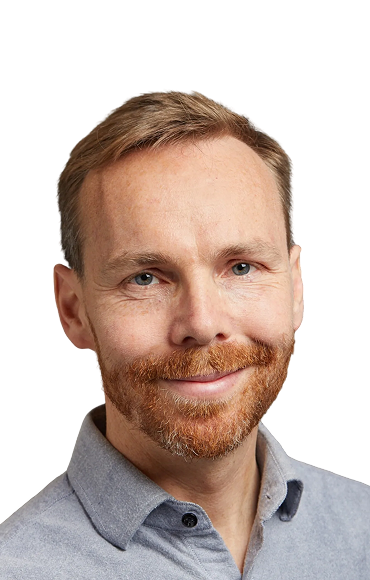
Professor Carson Thoreen, PhD
Carson Thoreen is Associate Professor of Cellular and Molecular Physiology at Yale School of Medicine. His research focuses on the molecular control of protein synthesis, RNA biology and translational regulation, including the mechanisms through which cells regulate growth, metabolism and responses to stress.
His laboratory studies mTOR signalling, ribosome function and naturally occurring RNA modifications that influence translation efficiency and immune recognition. This work has broad relevance to understanding how RNA structure and modification affect the performance, stability and biological properties of mRNA therapeutics.
Latest news
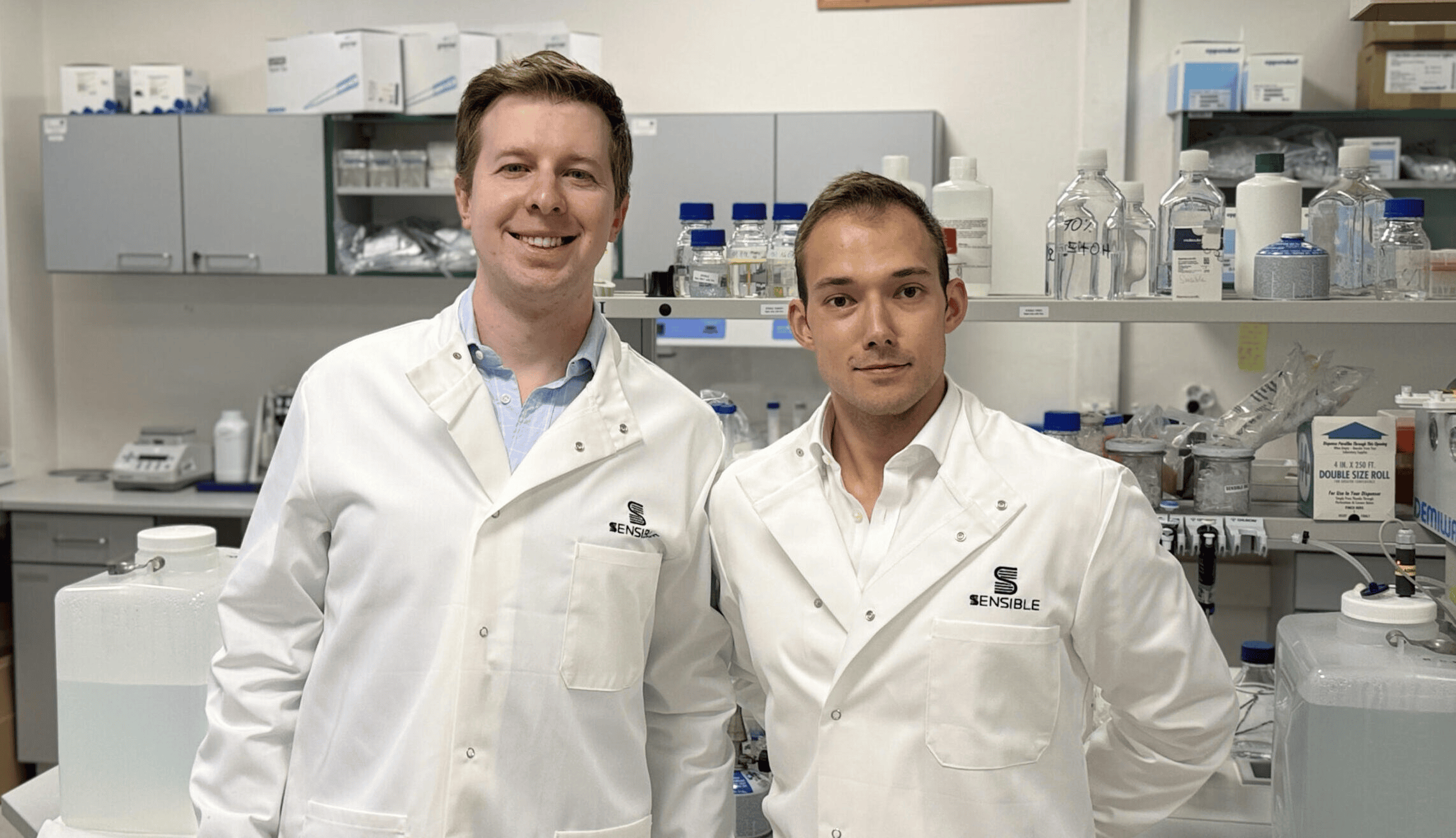


Sensible Biotechnologies Secures $47 Million to Advance Naturally Modified mRNA Platform and Unlock Next Generation of mRNA Medicines
EU funded project
IPCEI Med4Cure — Eukarytotic mRNA (EUmRNA)
Alain Pralong, PhD
Chief Technology Officer
Alain is a senior life science executive with over 25 years of experience in biopharmaceutical development, GMP manufacturing, and quality assurance. He began his career after earning a PhD in apoptosis research from the University of Berne, with early roles at Schering-Plough, Roche, where he led the tech transfer of the Avastin manufacturing process from Genentech to Roche in Basel, and Merck-Serono, where he oversaw the commercial manufacturing of various hormones. Subsequently, Alain joined Crucell, where he oversaw process and analytical development, including clinical manufacturing of adenoviral vaccines. Following Crucell’s $2.4B acquisition by Johnson & Johnson, Alain joined GSK as Vice President of New Product Introduction & Technical Life Cycle Management, where he oversaw the late-stage development and commercialization readiness of Mosquirix® and Shingrix®. Since 2015, he has led manufacturing and CMC functions in the cell and gene therapy space at Cell Medica, Agentus Therapeutics, and Gamida Cell. Most recently, he served as CTO of Unicyte and supported the WHO mRNA Technology Transfer Programme through site assessments in low- and middle-income countries.

Andrew Geall, PhD
Andrew Geall is a pioneer in mRNA vaccines, nucleic acid delivery and lipid nanoparticle technologies with more than 20 years of experience developing next-generation medicines. He is Co-Founder and Chief Development Officer of Replicate Bioscience and Chairman of the Alliance for mRNA Medicines. Previously, he served as Chief Scientific Officer of Precision NanoSystems and was Vice President of Formulations, Analytics and Chemistry at Avidity Biosciences.
At Novartis, Andrew led work on mRNA vaccines and served as Principal Investigator on a DARPA programme developing self-amplifying mRNA vaccines. He holds more than 40 patents spanning RNA delivery and related technologies, and he holds a Ph.D. in non-viral gene delivery from the University of Bath.


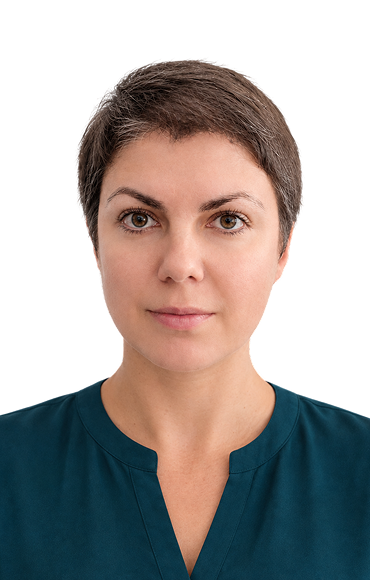

Elena Pamětická
Vice President of Finance
Elena is a graduate of Comenius University with an MA in Business Administration and is a practicing Fellow of the ACCA. She began her professional career at EY as an auditor before joining Fiserv as the CEESEE Regional Finance Lead, where she also drove major strategic initiatives, including the establishment of a new SSC and BPO transitions for EMEA operations, and the implementation of a full Oracle ERP suite. She also led a number of cross‑border M&A projects for Fiserv and Nexi. Elena later moved to BASF as Regional CFO, where she executed multiple corporate restructuring initiatives, oversaw complex tax audits, and played a key role in the development and valuation of a world‑scale industrial enzyme production facility. Elena has 15+ years of experience in accounting, tax, FP&A, M&A and corporate restructuring, ERP implementations, and corporate operations.



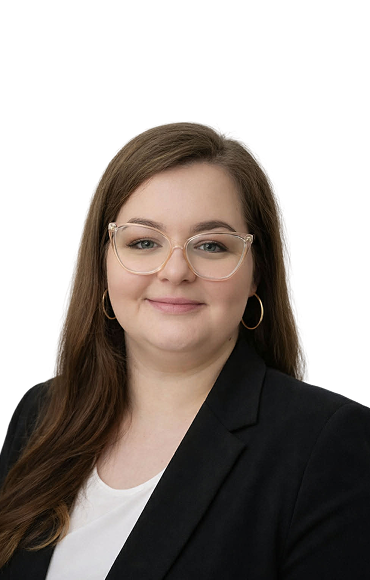

Jan Skvarka, PhD, MBA
Jan Skvarka is an experienced biotechnology executive and investor with a track record of building and scaling life sciences companies. He is Chairman of DEM Biopharma and serves on the Boards of Directors of Zentalis Pharmaceuticals (NASDAQ: ZNTL) and Monte Rosa Therapeutics (NASDAQ: GLUE). Previously, Jan was CEO of Trillium Therapeutics (NASDAQ: TRIL), where he led a major turnaround of the clinical-stage immuno-oncology company, culminating in its $2.3 billion acquisition by Pfizer.
Earlier in his career, Jan served as CEO of Tal Medical, was a Partner in Bain & Company's life sciences practice in Boston, and worked at PwC Corporate Finance in London and Vienna. He holds a PhD in Economics from the University of Economics in Slovakia and an MBA from Harvard Business School.
Joel Schoppig
Partner, Oxford Science Enterprises
Joel Schoppig is a HealthTech investor and operator, and a Partner at Oxford Science Enterprises (OSE). He joined OSE from Pitango, a $3bn+ AuM fund where he was Principal focused on early-stage HealthTech investments. Previously, Joel was part of the founding team at Healthy.io and served as VP of Strategy and Business Development, helping build the company from concept stage to global commercial scale.
Earlier in his career, Joel worked in public health as an advisor to the Nigerian Ministry of Health on healthcare financing and held roles in management consulting and finance in London. He holds graduate degrees from the London School of Economics and Universitat Pompeu Fabra, and an undergraduate degree from the University of Zurich.

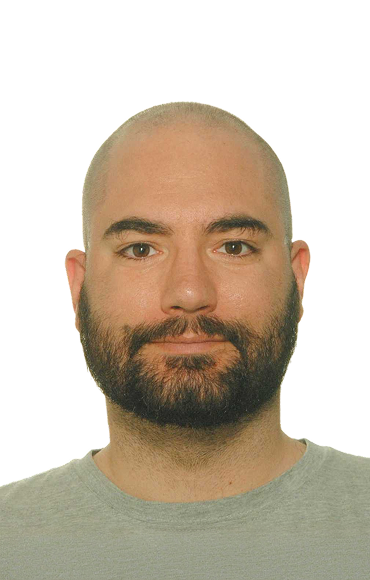

Katarína Doboš Chovancová, PhD
Head of Grants and Procurement
Katarina leads grants and procurement at Sensible Biotechnologies, overseeing non-dilutive financing, public funding programmes and procurement across the company’s research, manufacturing and infrastructure activities. She brings extensive experience in public administration, European funding instruments and the implementation of complex, publicly financed programmes. Before joining Sensible, Katarina managed a medical center in the private sector. Previously, she served as Director of the Healthcare Department at the National Implementation and Coordination Authority (NIKA) within the Office of the Government of the Slovak Republic, the central body responsible for coordinating implementation of Slovakia’s Recovery and Resilience Plan. Katarina holds a Ph.D. from Masaryk University in Brno, where her academic work focused on political institutions and parliamentary governance.
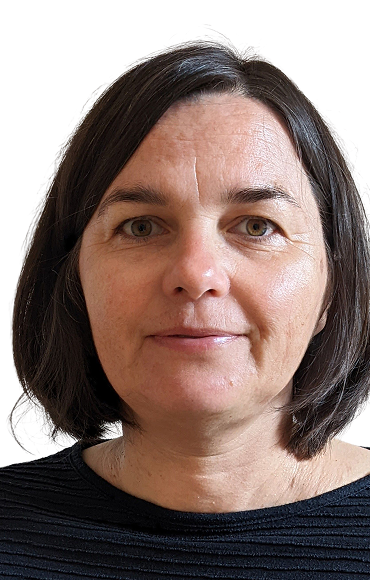
Katie Hewitt
Vice President of Business Development
Katie is a seasoned business development executive with over 25 years of experience at Eli Lilly and Company. Since joining Lilly in 2001, she has held numerous leadership roles on U.S. and global teams across finance, business development, strategy, and commercialization. Her achievements include leading cross-functional deal teams for pivotal programs, such as the development and launch of Lilly’s first-in-class monoclonal antibody, bamlanivimab, in response to COVID-19 in 2020. As Global Head of Business Development for Lilly Catalyze, Katie drove initiatives in transactions, platform technologies, and digital health. She has also served on the boards of multiple biotech startups, offering strategic guidance and expertise in life science transactions, including acquisitions by major biotechnology companies. Katie holds a bachelor’s degree in economics and sociology from DePauw University and certifications from Harvard Business School.
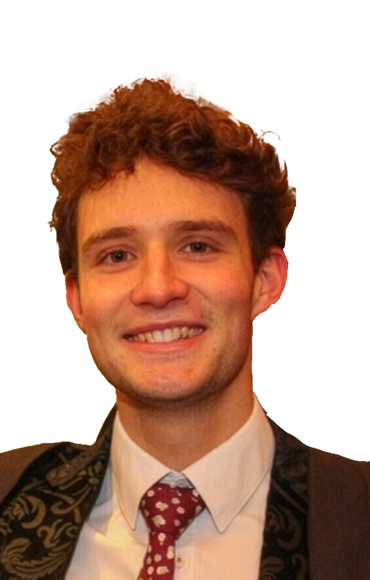


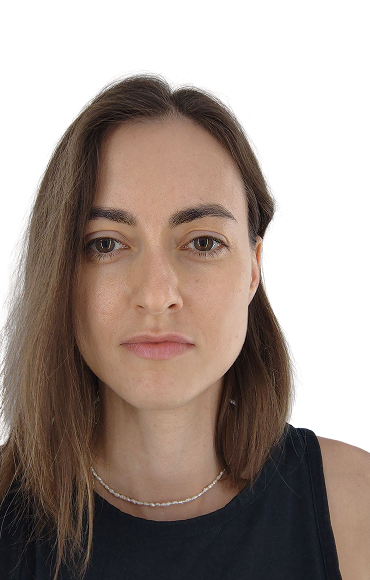

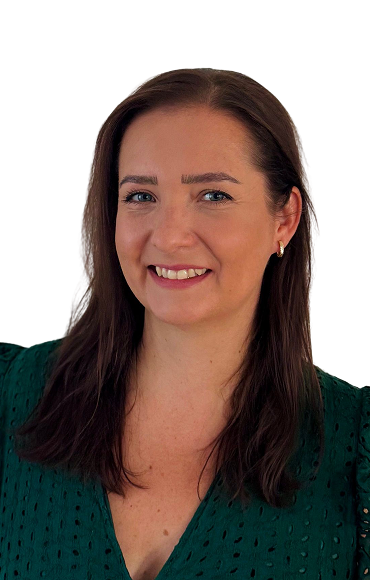


Lorenz Mayr, PhD
Lorenz Mayr is an experienced biopharmaceutical executive and technology leader with more than 30 years of experience spanning drug discovery, platform technologies and therapeutic innovation. He served as Chief Technology Officer of GE Healthcare Life Sciences, and held senior positions at Novartis, Bayer, Syncona and Vector BioPharma. Lorenz currently serves on multiple biotechnology boards and scientific advisory boards.
Lorenz was Vice President and Global Head of Reagents and Assay Development at AstraZeneca, supporting drug discovery across therapeutic areas. Throughout his career, he has helped drive the adoption of emerging technologies including genome editing, next-generation sequencing, high-content biology and advanced cellular models.

Marian Kupčulák, DPhil
Co-Founder and Chief Science Officer
Marian is a molecular biologist, biochemist, and biotechnology entrepreneur with more than a decade of hands-on experience in genetic engineering, cellular engineering, and nucleic acid research. He co-founded Sensible Biotechnologies in 2021 and leads the company's scientific strategy, platform technology development, process automation, and research roadmap, driving key innovations in cell-based mRNA biomanufacturing and related R&D.
Marian earned his DPhil in Biochemistry from the University of Oxford, where his research focused on DNA repair and genomic stability in human cells. Prior to his Oxford studies and co-founding Sensible Biotechnologies, he conducted biological research across multiple academic institutions in Europe, including Comenius University in Bratislava, the Vienna BioCenter, and the University of Gothenburg. There, he worked with various prokaryotic, eukaryotic, and animal models for both basic biological research and the screening and evaluation of therapeutic candidates. Marian's work lies at the forefront of scalable synthetic biology technologies, aiming to understand and overcome fundamental bottlenecks in the production of complex RNA therapeutics.
Mária Nosáľová Grežďová
Head of People
Maria is a graduate of Comenius University in Bratislava, Faculty of Management, with 20 years of HR leadership experience. She built the HR function for a fast-growing consulting firm and later served as HR Country Manager for AT&T in Slovakia and across Central and Eastern Europe. Her responsibilities spanned HR strategy, compliance, employee services, and support for international management, including M&A activities. She also launched HR operations for a new public sector shared service center. Before joining Sensible, Maria led the Payroll Outsourcing division at a tax and accounting firm, supporting clients with diverse needs.



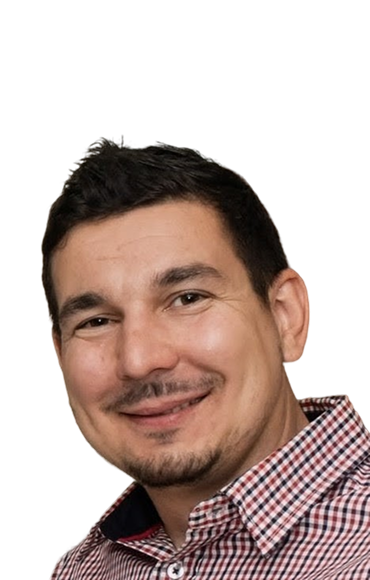
Michelle Lynn Hall, PhD
Michelle Lynn Hall is a biotechnology executive, scientist and investor with deep expertise in mRNA therapeutics, lipid nanoparticles, gene editing, genetic medicines and computational drug design. She is a General Partner at Entrée BioVentures, where she focuses on company creation and early-stage biotechnology investing at the intersection of biology, AI and next-generation medicines.
Previously, Michelle was Associate Vice President of Genetic Medicines at Eli Lilly, where she established and scaled the company’s Boston-based Genetic Medicines organisation, and earlier led the Molecular Engineering and Modeling team at Moderna. Her work has combined computation, automation and experimental science to advance RNA therapeutics, delivery technologies and genetic medicine platforms.
Miroslav Gašpárek
Co-Founder and CEO
Miro is a biotechnology entrepreneur and biomedical engineer working at the intersection of synthetic biology, RNA therapeutics and biomanufacturing. He co-founded Sensible Biotechnologies in 2021 and has led the company from its inception through multiple financing rounds, international expansion and the development of strategic partnerships across the global biotechnology ecosystem.
Miro earned a First Class MEng in Biomedical Engineering from Imperial College London and is completing a DPhil in Engineering Science at the University of Oxford, where his research focuses on computational and mathematical modelling of complex synthetic biological systems. He has conducted research at Imperial College London, Caltech and Stanford University and was elected a Pontigny Scholar and Simonian Scholar at St Edmund Hall, Oxford. He also received Imperial College London’s Emerging Alumni Leader Award in 2024. Beyond his operating role, Miro has contributed to biosecurity, health and innovation policy, including advising the Ministry of Health of the Slovak Republic and a member of the Executive Board of the World Health Organization.


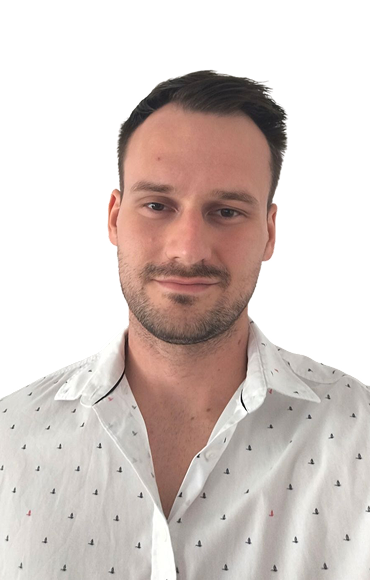
Professor Carson Thoreen, PhD
Carson Thoreen is Associate Professor of Cellular and Molecular Physiology at Yale School of Medicine. His research focuses on the molecular control of protein synthesis, RNA biology and translational regulation, including the mechanisms through which cells regulate growth, metabolism and responses to stress.
His laboratory studies mTOR signalling, ribosome function and naturally occurring RNA modifications that influence translation efficiency and immune recognition. This work has broad relevance to understanding how RNA structure and modification affect the performance, stability and biological properties of mRNA therapeutics.
Professor Chris Mason, MD, PhD
Chris Mason is Professor of Cell and Gene Therapy at University College London and a leading expert in advanced therapeutics, regenerative medicine and the translation of cell and gene therapies into scalable medicines. His work spans academic research, manufacturing, regulation and commercialisation, with a particular focus on overcoming the barriers that limit the adoption of new therapeutic modalities.
Chris is also an experienced biotechnology entrepreneur. He co-founded Ori Biotech, previously founded and served as Chief Scientific Officer of AVROBIO, and has held leadership roles across the cell, gene and mRNA therapy ecosystem. He was elected a Fellow of the Academy of Medical Sciences in 2019.
Professor Dame Molly Stevens, PhD
Professor Dame Molly Stevens is the John Black Professor of BioNanoscience at the University of Oxford and Deputy Director of the Kavli Institute for Nanoscience Discovery. She is an internationally recognised leader in biomaterials, biosensing, regenerative medicine and advanced therapeutics, with a highly interdisciplinary research programme spanning fundamental science and translational biotechnology.
Her research has generated more than 400 publications, numerous patents and four spin-out companies. She is a Fellow of the Royal Society and Royal Academy of Engineering and has received more than 40 scientific awards for her contributions to biomaterials, nanoscience and regenerative medicine.
Professor Rodrigo Ledesma-Amaro, PhD
Rodrigo Ledesma-Amaro is Professor of Engineering Biology at Imperial College London and a leading scientist in synthetic biology, metabolic engineering and biomanufacturing. His laboratory develops engineered microbial and cellular systems for applications spanning healthcare, industrial biotechnology and sustainable production.
His research combines synthetic biology, metabolic engineering and machine learning to design and optimise biological systems, including eukaryotic platforms for producing therapeutic proteins, RNA and other high-value biological products. He is also active in biotechnology entrepreneurship and the translation of engineering biology into commercial applications.
Professor Samie Jaffrey, MD, PhD
Samie Jaffrey is the Greenberg-Starr Professor of Pharmacology at Weill Cornell Medicine and a leading RNA and chemical biologist. His laboratory studies the mechanisms that regulate RNA stability, translation and gene expression, with particular expertise in RNA modifications, epitranscriptomics, RNA structure, RNA therapeutics and circular RNA.
His laboratory has made seminal contributions to RNA biology, including early transcriptome-wide mapping of m6A and the development of RNA technologies such as Spinach, Broccoli, Corn and Squash. His group also developed the Tornado RNA circularisation system for generating highly stable circular RNAs in cells. Samie is also a biotechnology entrepreneur and co-founded Gotham Therapeutics.


Vazil Hudak, MBA
Vazil Hudak is an experienced European finance, investment and public policy leader with a career spanning government, international financial institutions and the private sector. He previously served as Vice President of the European Investment Bank, where he oversaw operations across Central Europe, the Eastern Partnership and Central Asia, as well as advisory services and financing for cohesion and transport investments. He has also served as Slovakia's Minister of Economy and Deputy Minister of Finance.
Vazil has held senior roles at J.P. Morgan and Citigroup and currently serves across a number of corporate, investment and advisory boards. He is CEO and Chairman of Aegle Consulting, Chairman of the Supervisory Board of Czech Railways, and a member of several investment and industrial boards. Vazil studied at the Moscow State Institute of International Relations (MGIMO) and Law at Charles University in Prague. Vazil also earned an MBA at Harvard Business School.
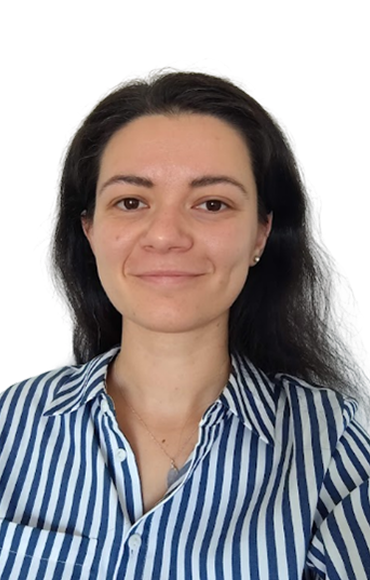




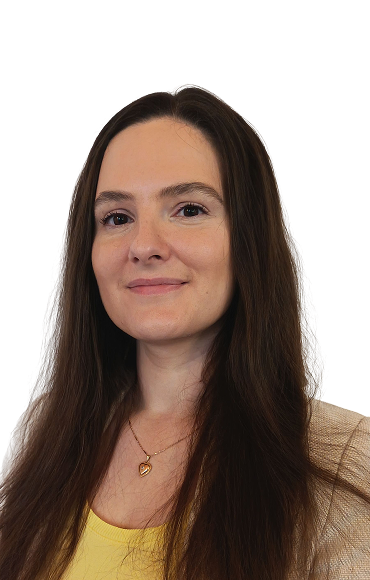
Vishal Gulati, MD, FMedSci
Founder and Managing Partner, Recode Ventures
Vishal Gulati is the Founder and Managing Partner of Recode Ventures and a physician-scientist and venture capitalist with nearly three decades of experience across medicine, biomedical research and healthcare investing. He has backed more than 40 companies developing new therapeutics and healthcare technologies and has served on the boards of numerous public and private companies. Recode's investments under his leadership include Sensible Biotechnologies, Nanograb, Probably Genetic, LabGenius and Waypoint Bio.
Previously, Vishal was investor at DFJ Esprit, Atlas Venture and Oxford Science Enterprises. He trained as a physician in India and subsequently undertook postgraduate training and research at the University of Oxford and Imperial College London. He is a Fellow of the Academy of Medical Sciences, a Senior Clinical Fellow at the University of Cambridge and a Rhodes Scholar.